The global maritime industry is undergoing a structural shift. Rising operational costs, stricter compliance requirements, crew shortages, and increasing safety expectations are forcing ship owners and operators to rethink how fleets are managed.
Manual logs, disconnected software, and reactive maintenance models are no longer sustainable.
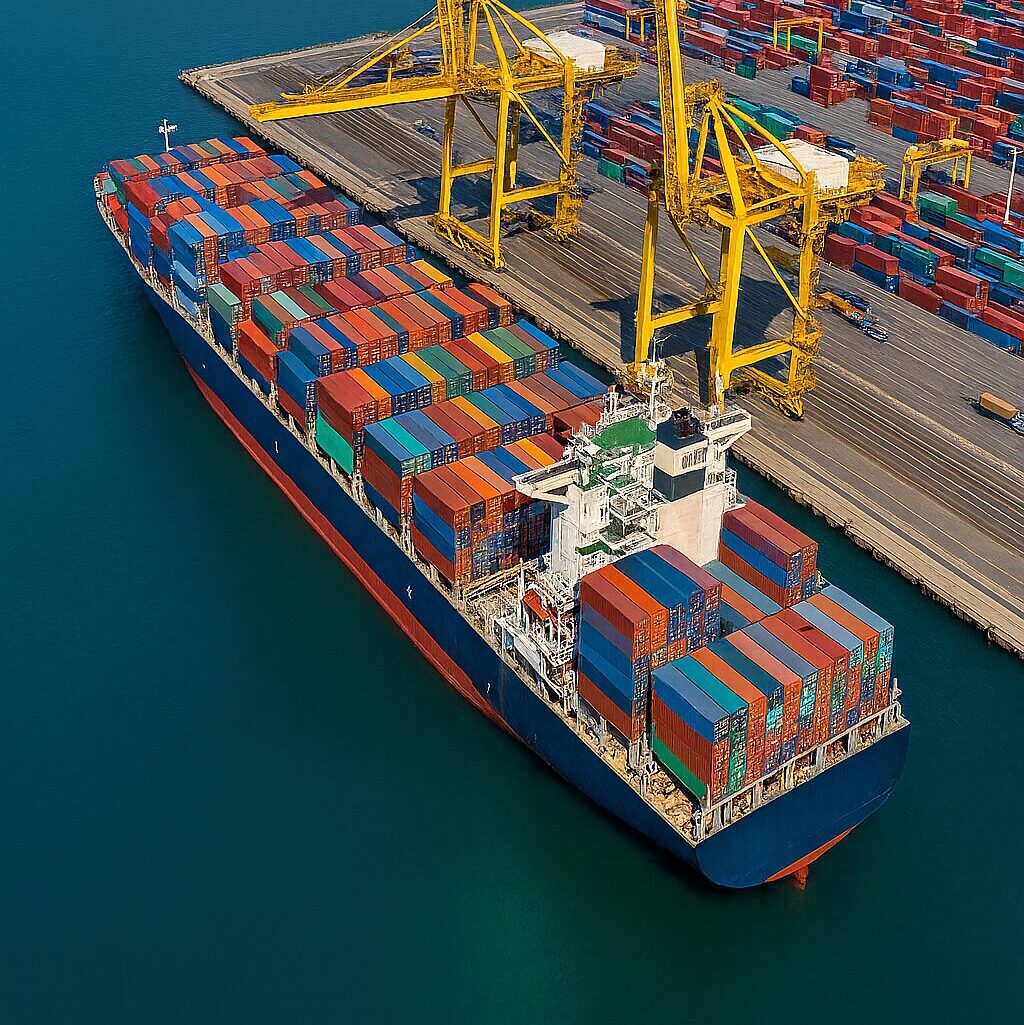
This is where digital ship management systems are transforming modern fleet operations—helping commercial vessels operate smarter, safer, and more efficiently across ports, offshore zones, and international waters.
In this guide, we break down:
- What digital ship management systems really are
- Why they are becoming essential in 2025–2026
- How they reduce cost, risk, and downtime
- What ship owners should look for when adopting them
What Is a Digital Ship Management System?
A digital ship management system is an integrated technology platform that centralizes vessel operations, technical management, compliance, crew administration, and performance monitoring into one connected ecosystem.
Instead of managing ships through spreadsheets, emails, and paper logs, these systems provide real-time visibility into every critical operational area.
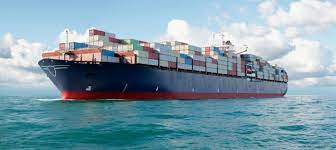
Core Functions Typically Include:
- Planned maintenance systems (PMS)
- Compliance and certification tracking
- Inventory and spare parts management
- Crew management and payroll
- Safety management systems (SMS)
- Fuel consumption and performance analytics
- Incident and defect reporting
Why Digital Ship Management Is No Longer Optional
1. Rising Compliance Pressure
Maritime regulations are expanding rapidly, including:
- Flag state inspections
- Port State Control (PSC)
- ISM, ISPS, and MARPOL requirements
- Environmental and emissions reporting
Digital systems ensure automated alerts, audit-ready documentation, and error-free compliance tracking—reducing the risk of detentions and penalties.
2. Increasing Operational Costs
Fuel inefficiency, unplanned maintenance, and poor inventory control are major cost drains.
Digital ship management systems help by:
- Predicting maintenance before failures occur
- Tracking spare parts usage accurately
- Reducing emergency procurement costs
- Optimizing fuel consumption patterns
3. Crew Shortages & Human Error
With experienced seafarers in short supply, operational systems must be:
- Easy to use onboard
- Standardized across vessels
- Capable of reducing manual input errors
Digital platforms provide guided workflows, reducing dependency on individual experience levels.
Key Benefits of Digital Ship Management Systems
Centralized Fleet Visibility
Fleet managers can monitor:
- Vessel status across multiple ports
- Maintenance schedules
- Compliance readiness
- Safety incidents
All from a single dashboard.
Predictive Maintenance & Reduced Downtime
Instead of reactive repairs:
- Equipment health is monitored continuously
- Maintenance is scheduled proactively
- Critical failures are avoided
This directly translates into:
- Fewer breakdowns
- Lower dry-docking costs
- Improved vessel availability
Improved Safety & Incident Management
Digital reporting allows:
- Faster incident documentation
- Root cause analysis
- Corrective action tracking
- Safety trend identification
This strengthens onboard safety culture and reduces insurance exposure.
Smarter Inventory & Spare Parts Control
Poor inventory planning often leads to:
- Overstocking
- Emergency air freight
- Delays during port calls
Digital systems align spare parts availability with:
- Maintenance schedules
- Voyage planning
- Port access timelines
Digital Ship Management and Environmental Compliance
Environmental sustainability is now a commercial requirement, not just a regulatory one.
Modern systems support:
- Fuel consumption monitoring
- Emissions data tracking
- Oil record book digitization
- Waste management logs
This helps ship operators:
- Meet ESG expectations
- Prepare for future carbon regulations
- Improve charterer confidence
Integration With Port & Marine Service Providers
One of the most overlooked advantages of digital ship management is seamless coordination with shore-based service providers.
When vessels are digitally managed:
- Maintenance requirements are visible in advance
- Spare parts can be pre-arranged
- Port turnaround time is reduced
This allows marine service companies like Seaview Marine to deliver faster, more accurate, and better-coordinated support during port calls in Dubai and across the UAE.
Common Mistakes Ship Owners Make When Going Digital
Choosing Software Without Marine Expertise
Not all management software understands real-world vessel operations.
Overcomplicating the System
Complex platforms discourage crew adoption.
Ignoring Onboard Training
Digital tools fail without proper crew onboarding.
No Integration With Marine Suppliers
Disconnected systems limit operational efficiency.
What to Look for in a Digital Ship Management System
When evaluating platforms, ship owners should consider:
- Marine-industry-specific design
- Offline functionality onboard
- Cloud-based shore access
- Scalability for fleet expansion
- Integration with marine service providers
- Strong cybersecurity protocols
The Future of Ship Management: 2026 and Beyond
The next phase of digital ship management will include:
- AI-driven maintenance forecasting
- Automated compliance reporting
- Smart fuel optimization algorithms
- Real-time vessel-to-shore collaboration
- Integrated sustainability dashboards
Ship operators who delay digital adoption risk falling behind in cost efficiency, compliance readiness, and charter competitiveness.
How Digital Ship Management Supports Smarter Marine Services
For marine service providers, digitally managed vessels enable:
- Faster service execution
- Accurate spare parts planning
- Reduced operational delays
- Improved service quality
This creates a stronger collaboration between ship owners, fleet managers, and trusted marine partners.
Conclusion: Smarter Ships Need Smarter Systems
Digital ship management systems are no longer a future concept—they are the foundation of modern maritime operations.
For ship owners and operators navigating tighter margins, stricter regulations, and complex logistics, digital fleet management delivers:
- Lower costs
- Higher safety standards
- Better compliance
- Improved vessel performance
By partnering with experienced marine service providers like Seaview Marine, digitally managed fleets can unlock even greater operational efficiency during port calls, offshore operations, and emergency support across the UAE.
- Read more: Marine Compliance Services in the UAE
- Related guide: Offshore Vessel Maintenance Best Practices
- Learn more: Ship Chandling Services in Dubai
If you manage digitally operated vessels calling UAE ports and need reliable marine services, technical support, or coordinated ship supply, Seaview Marine is equipped to support modern fleets—efficiently, compliantly, and on time.
Call us 24/7 or visit our website for immediate assistance.